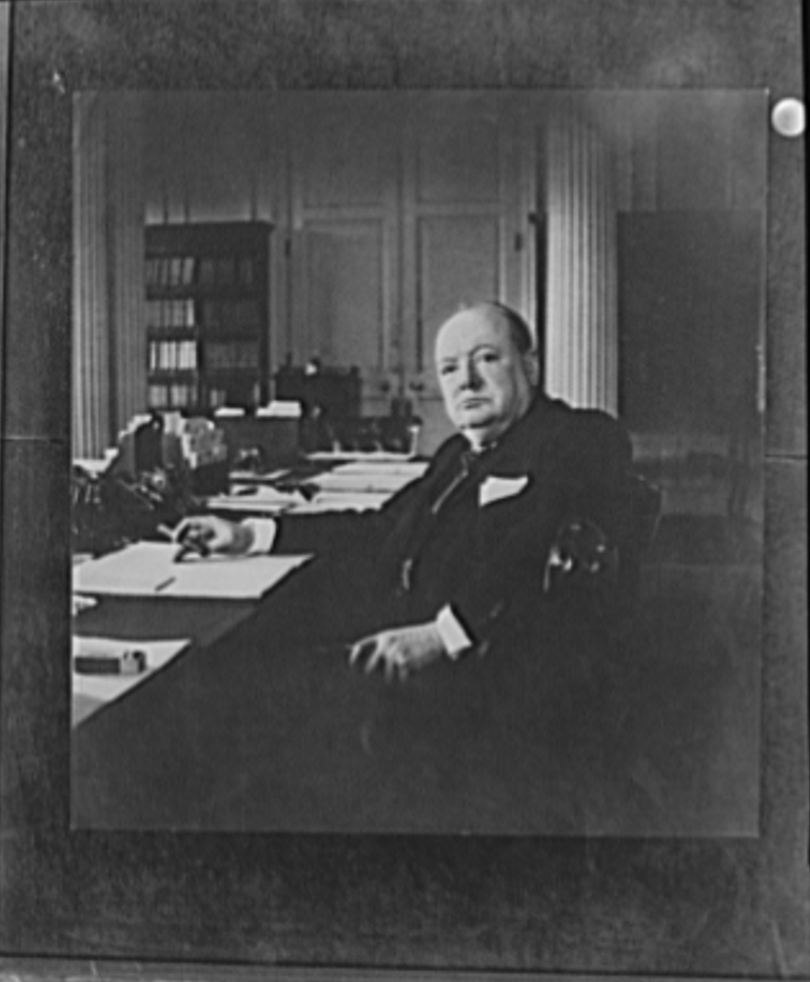
Winston Churchill, March, 1943. Library of Congress

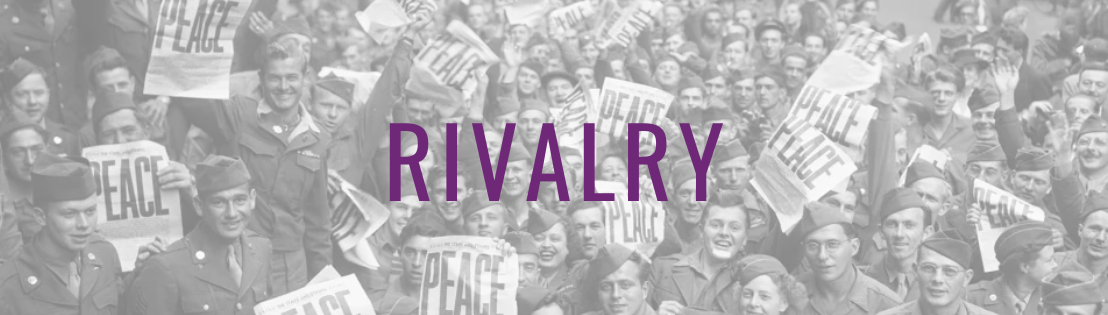
American servicemen and women gather in front of “Rainbow Corner” Red Cross club in Paris to celebrate the conditional surrender of the Japanese, 1945, National Archives
Although allied during World War II, post-war negotiations highlighted the stark ideological differences between America and the Soviet Union (USSR).
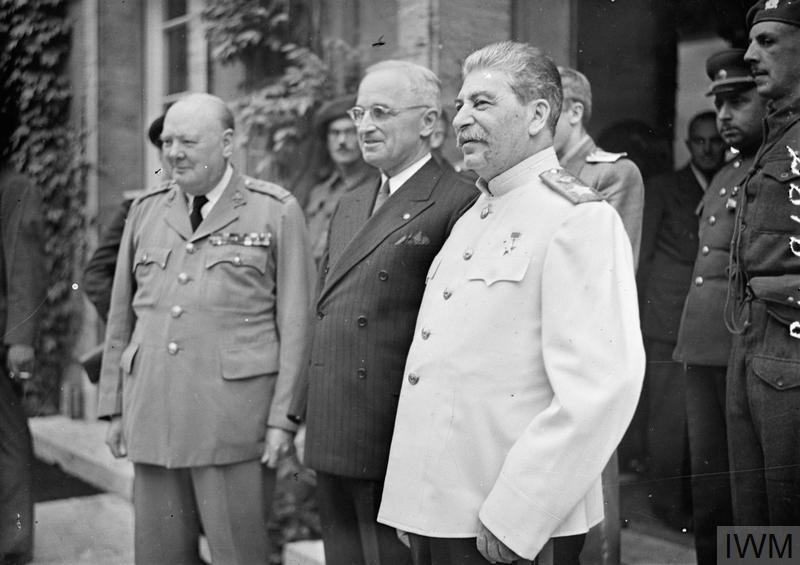
Winston Churchill, President Truman and Stalin at the
Potsdam conference, July 23, 1945. Imperial War Museums
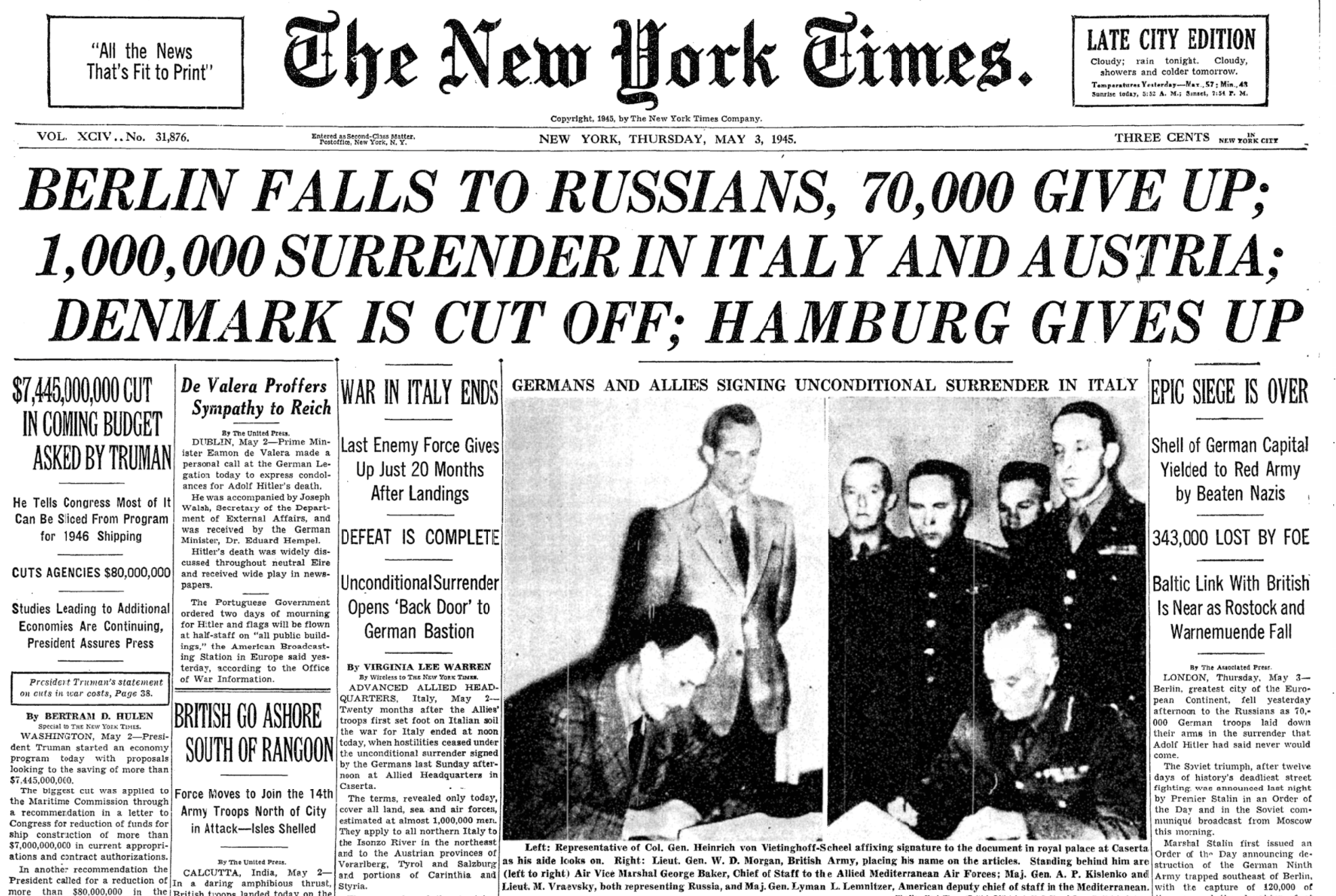
New York Times. May 3, 1945
Both nations sought to gather like-minded allies in military alliances which prompted global outreach.
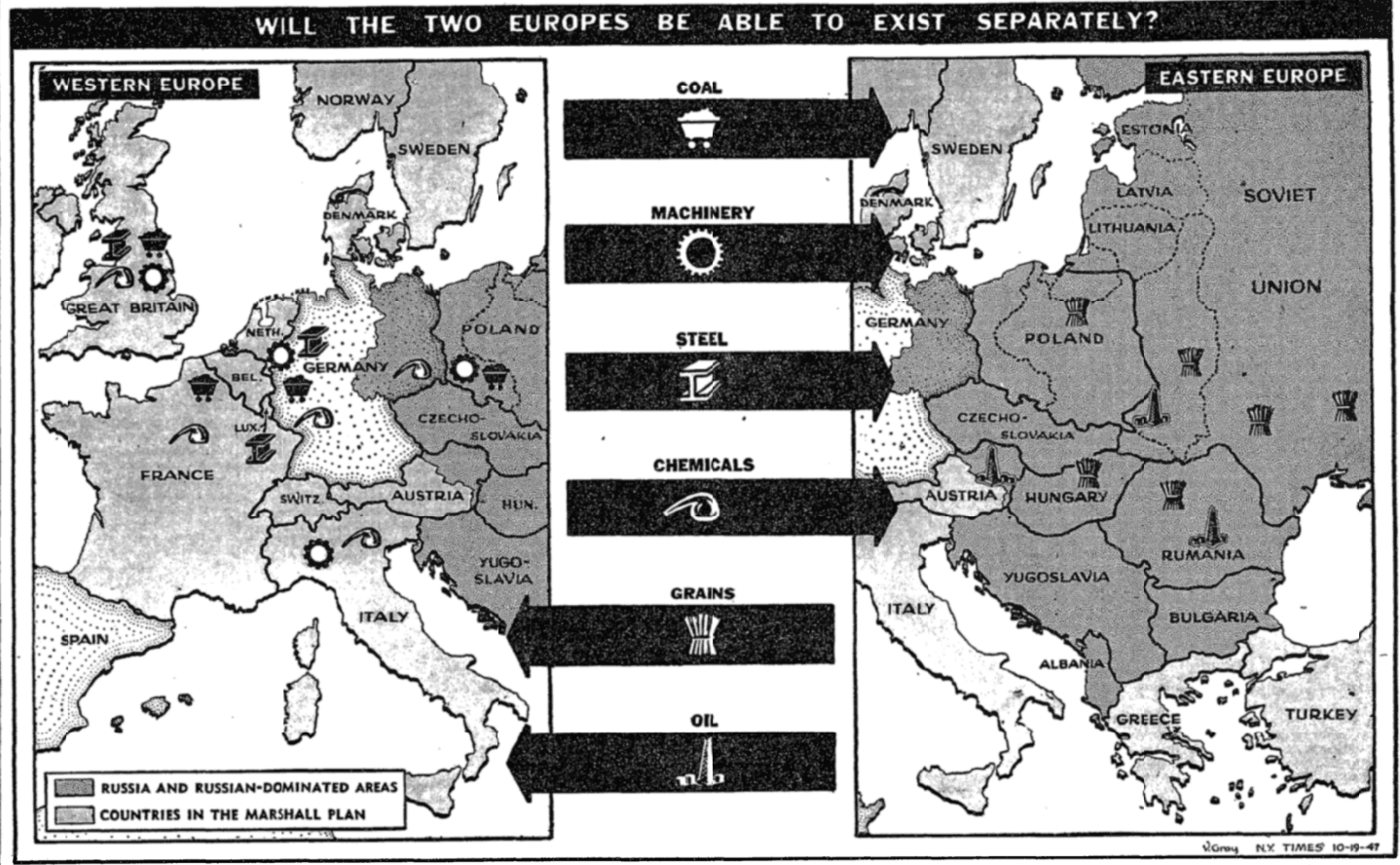
New York Times. October 19, 1947
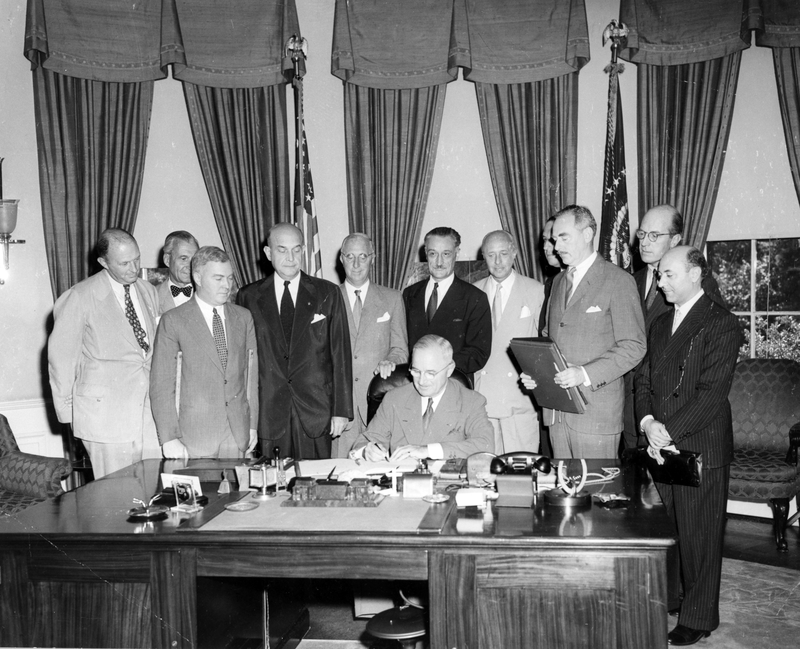
Truman Signing North Atlantic Treaty Proclamation, August 24, 1949. Harry S. Truman
Library & Museum
Winston Churchill, March, 1943. Library of Congress
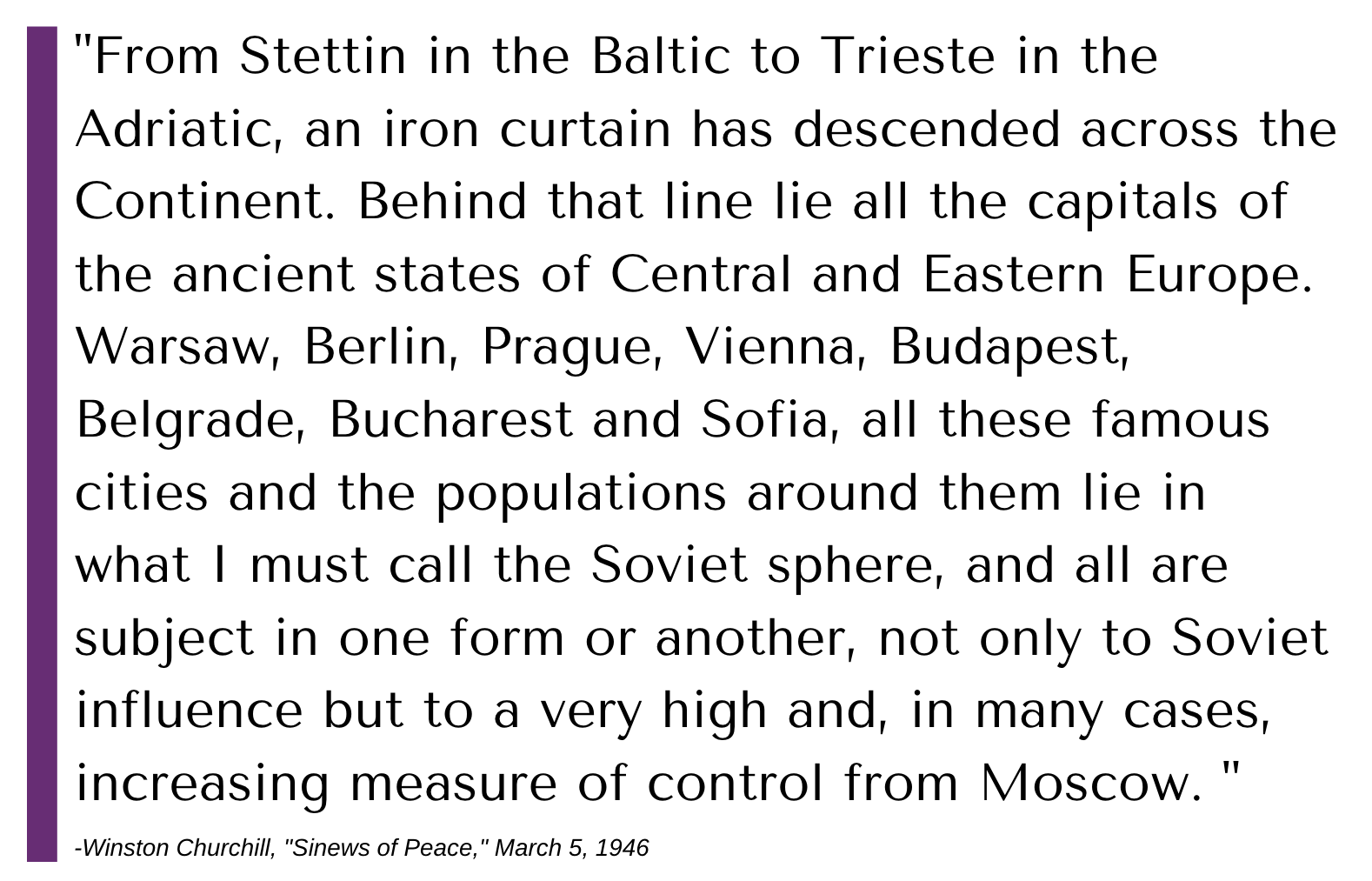
The Cold War ultimately became one that harnessed all resources of the United States: military, cultural, and ideological; the US adopted a policy of containment - or preventing the spread of communism.


Long Telegram, February 22, 1946. Wilson Center
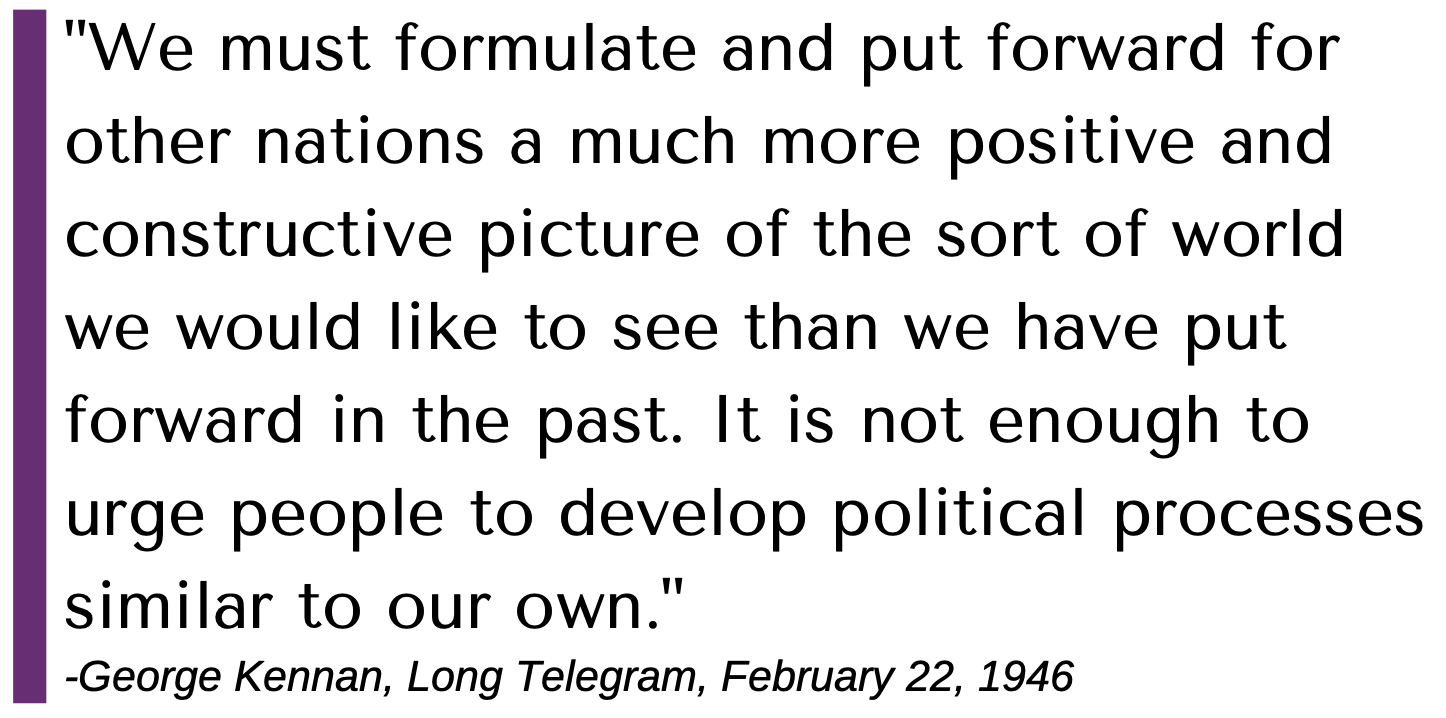
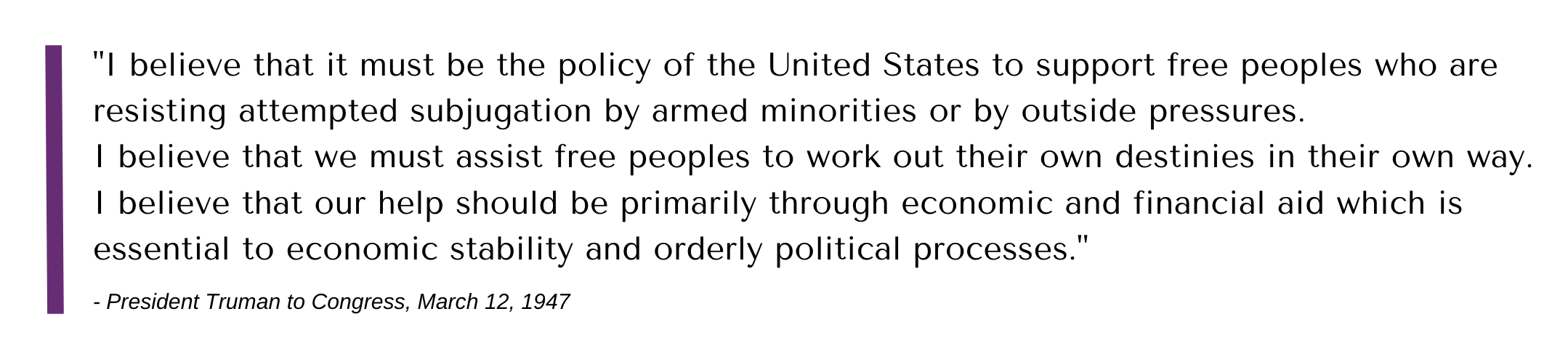
In adherence, the US and USSR engaged in proxy wars in newly independent nations in Asia, Africa, and Latin America to prevent the spread of their opposing ideologies.
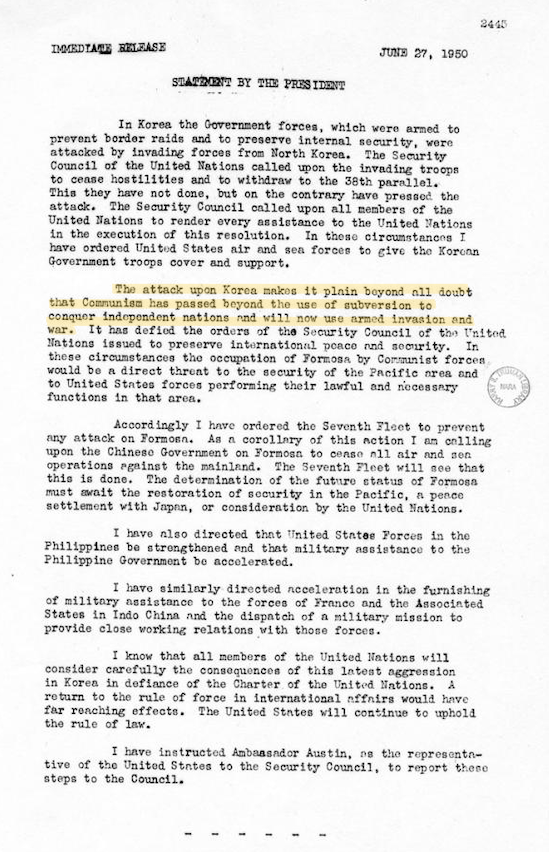
President Truman's Statement on the Situation in Korea, June 27,
1950. National Archives
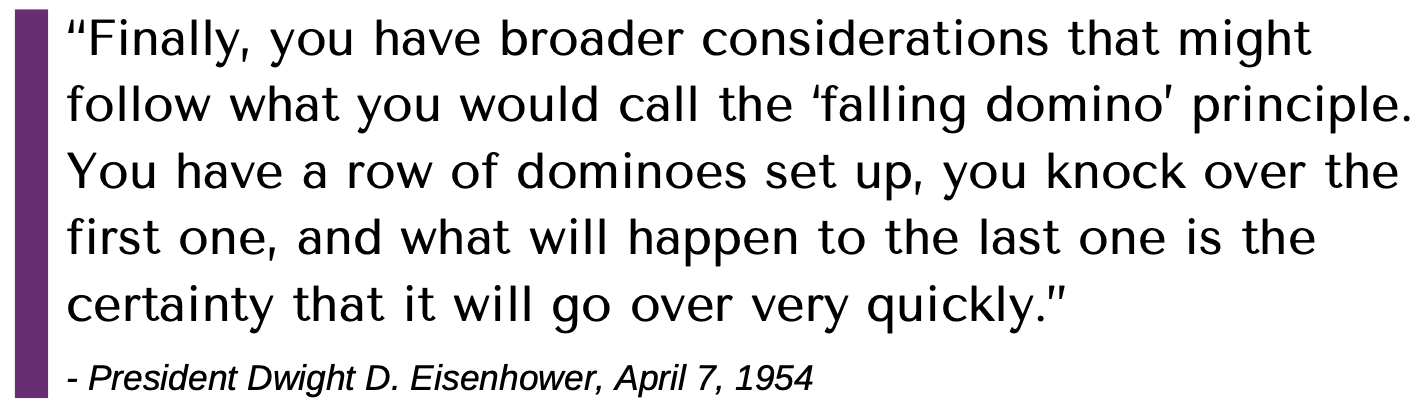
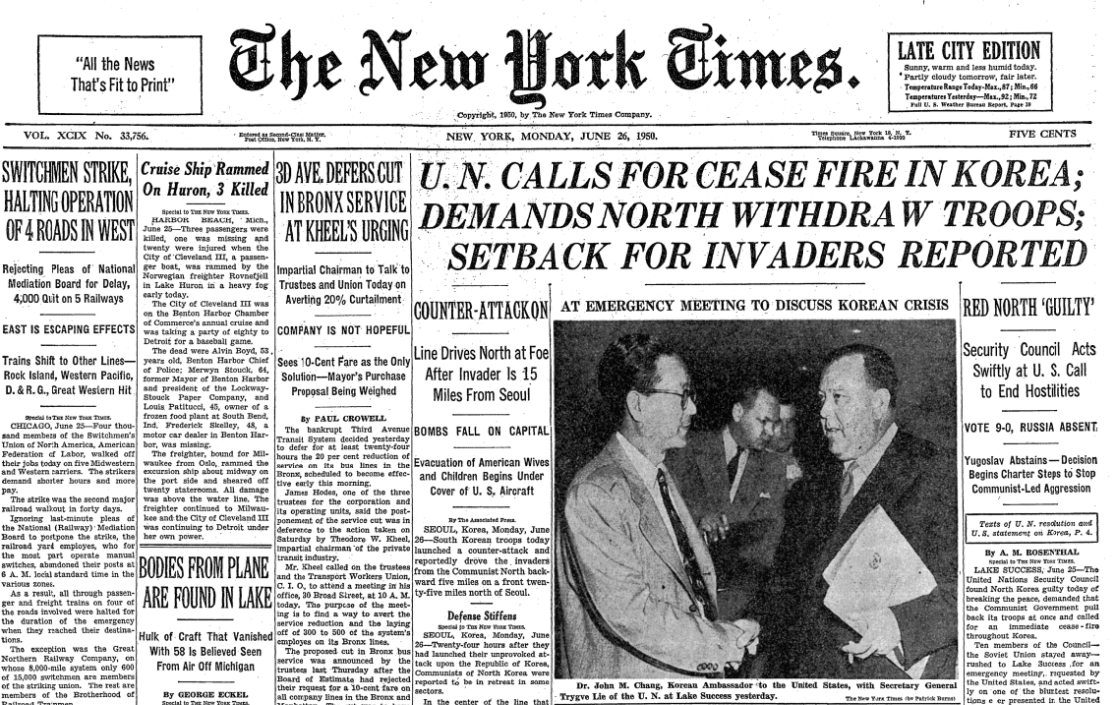
June 26, 1950. New York Times
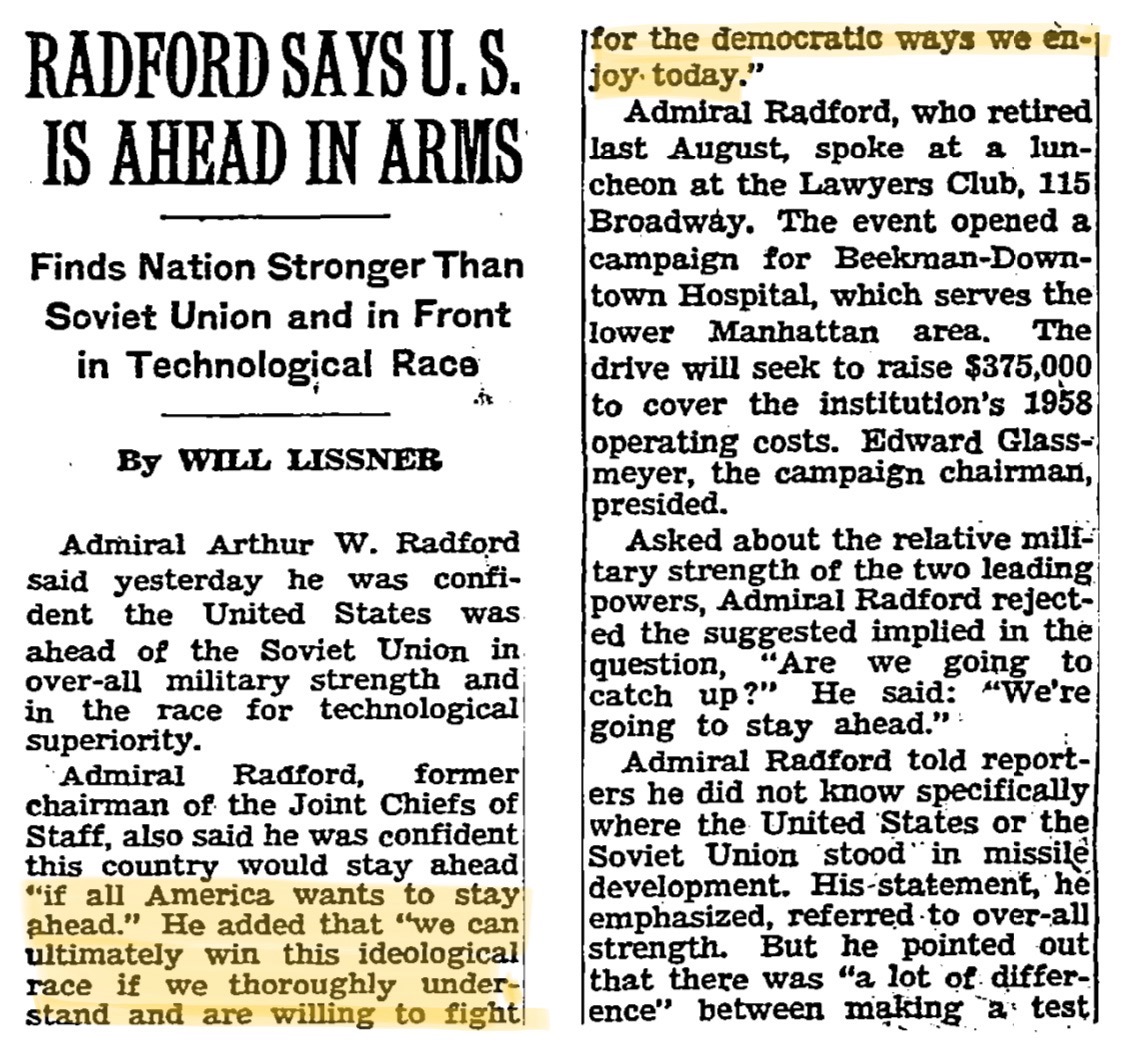
January 9, 1958. New York Times
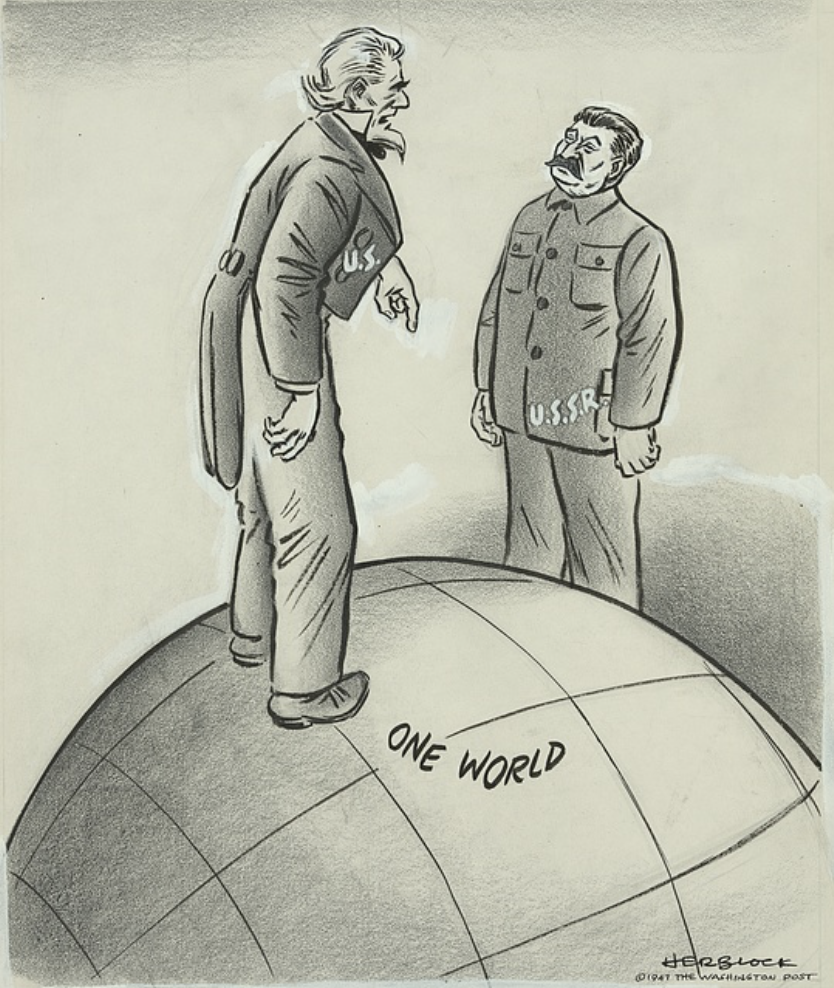
"I'm here to stay, too," 1947. Library of Congress