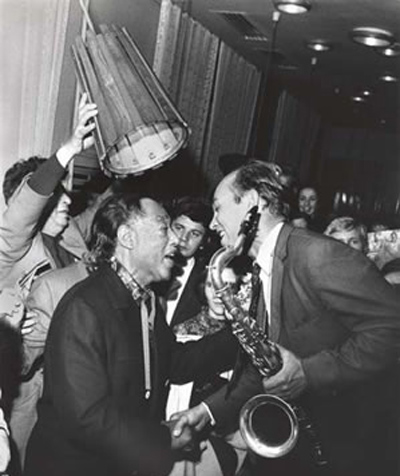
Duke Ellington Meets Local Jazz Musicians, 1971, Meridian Collection

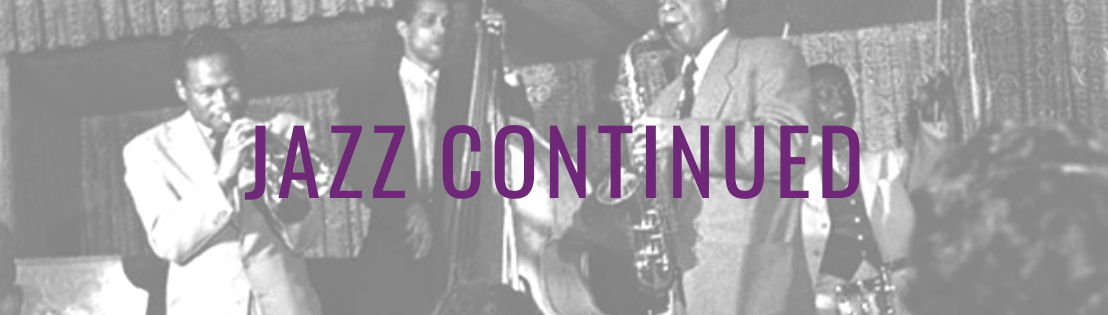
Clifford Brown, Curly Russell, Lou Donaldson, Art Blakey Live at Birdland, 1954, Birdland Club
Jazz continued to create cultural bridges throughout the Cold War in pivotal summits between President Reagan and President Gorbachev of the Soviet Union.
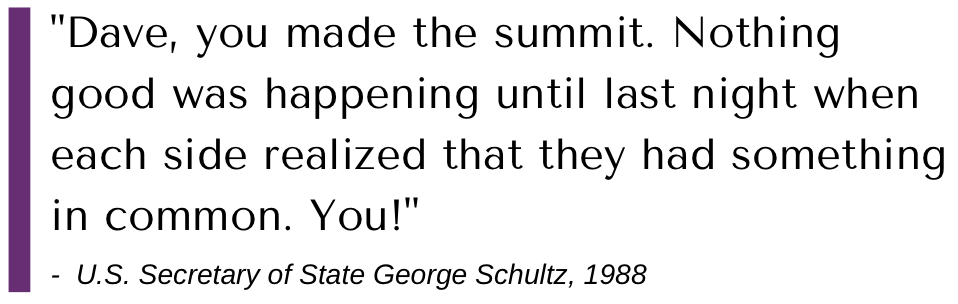
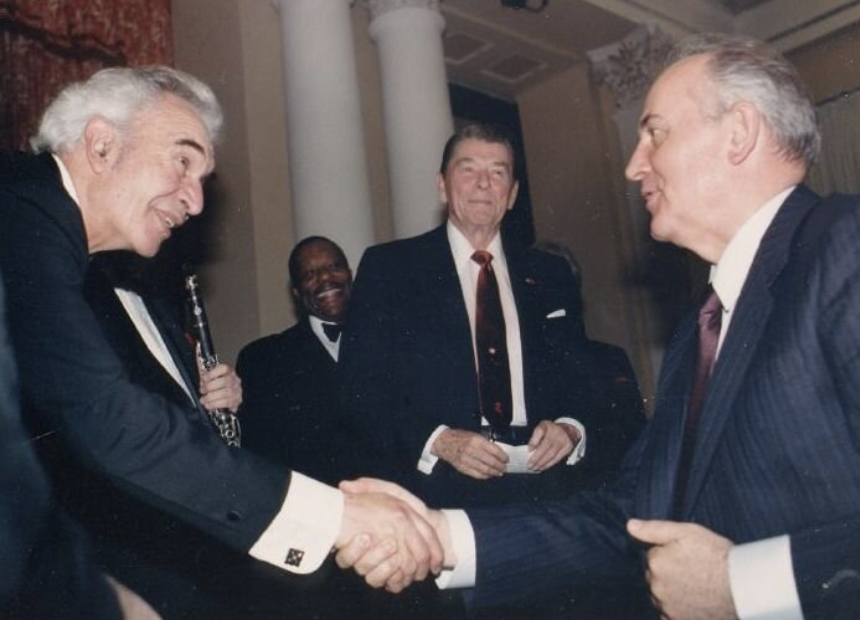
Dave Brubeck, Eugene Wright, Ronald Reagan and Mikhail Gorbachev. Spaso House,
Moscow, 1988, Dave Brubeck
The tours exemplified the power of music to cross frontiers and share American ideas abroad. The federal government recognized the value of jazz as an American music form for the first time through its promotion, and jazz continued to play an important role in the Civil Rights movement.
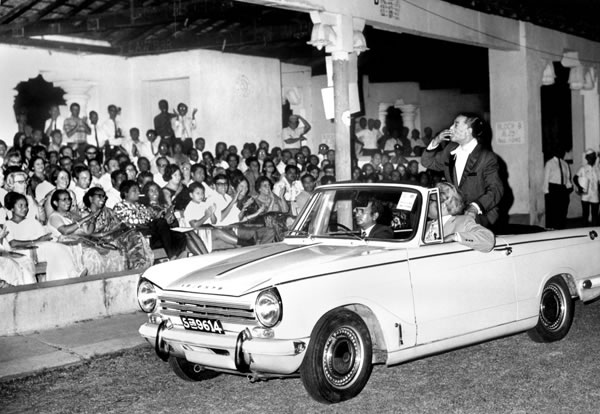
Duke Ellington Greets the Audience at the Tamil Union Oval before His Performance, 1972, Meridian Collection
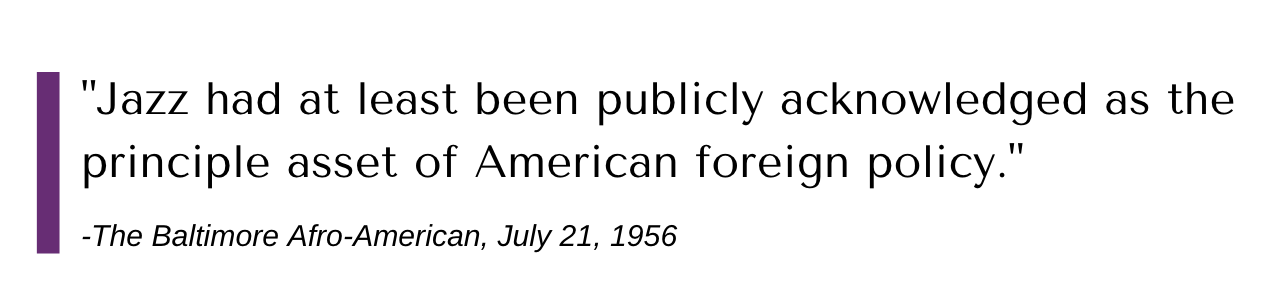

The tours also introduced new audiences to jazz and provided inspiration for musicians abroad - creating space for jazz musicians around the world.
Duke Ellington Meets Local Jazz Musicians, 1971, Meridian Collection
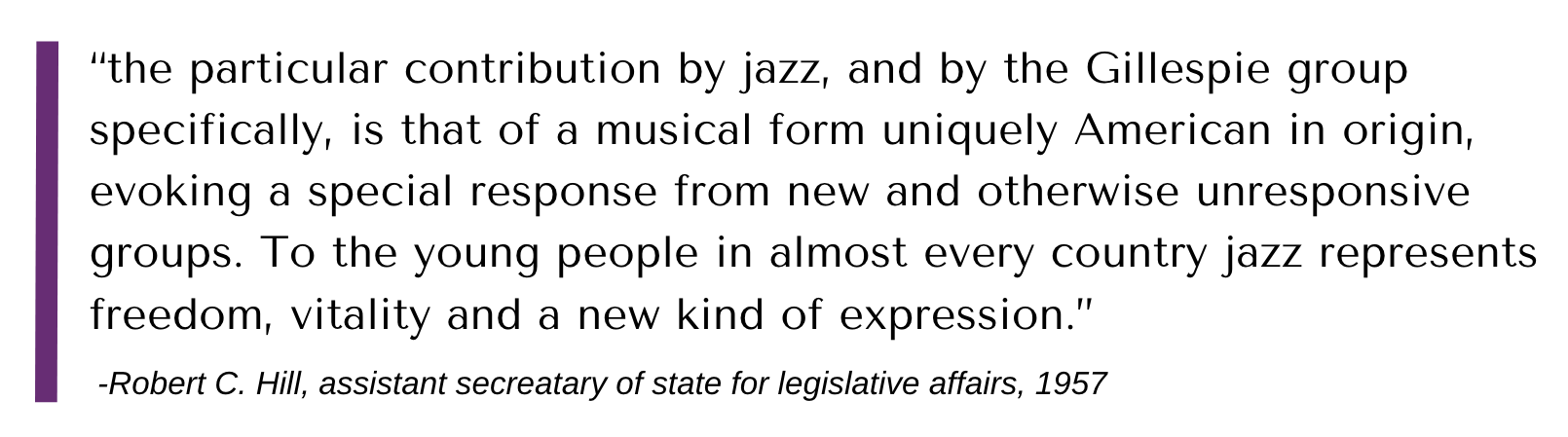

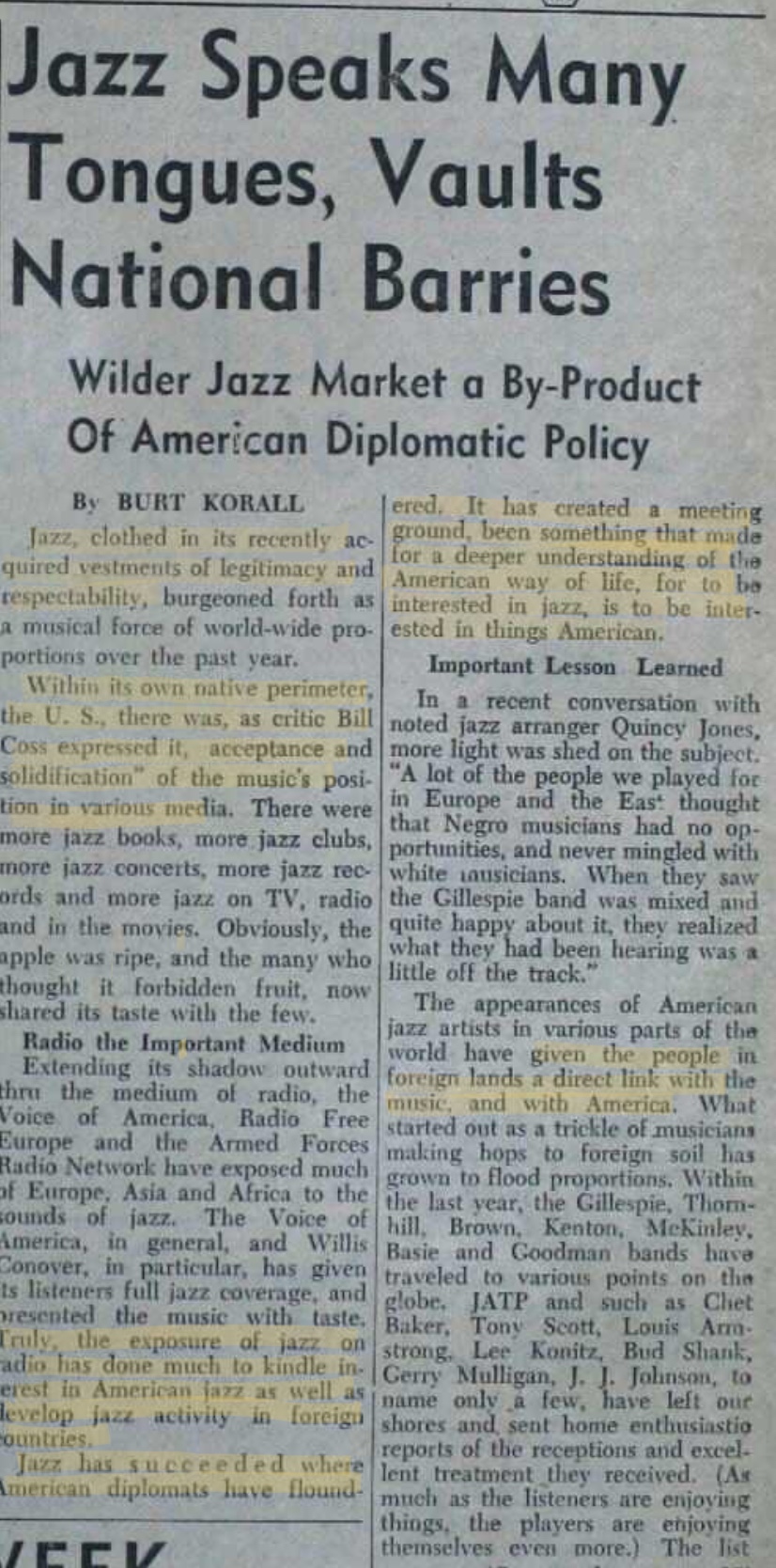
August 19, 1957. The Billboard Magazine
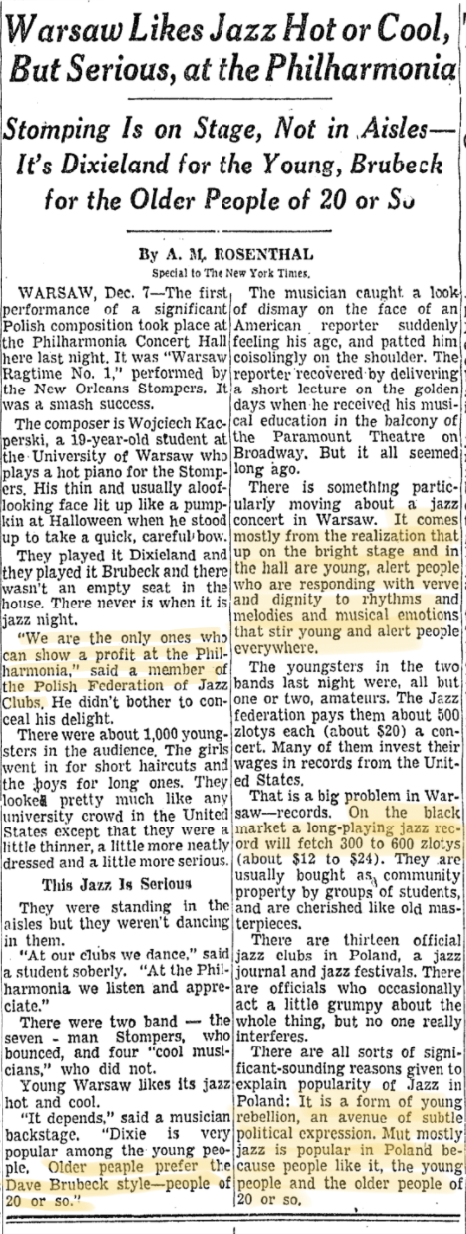
December 8, 1958. New York Times
Today, the power of the Jazz Ambassadors to cross frontiers to share American ideas with people around the world is recognized through new iterations of the Jazz Ambassadors program and formal acknowledgement of the contributions of jazz and African-American artistry by the federal government.
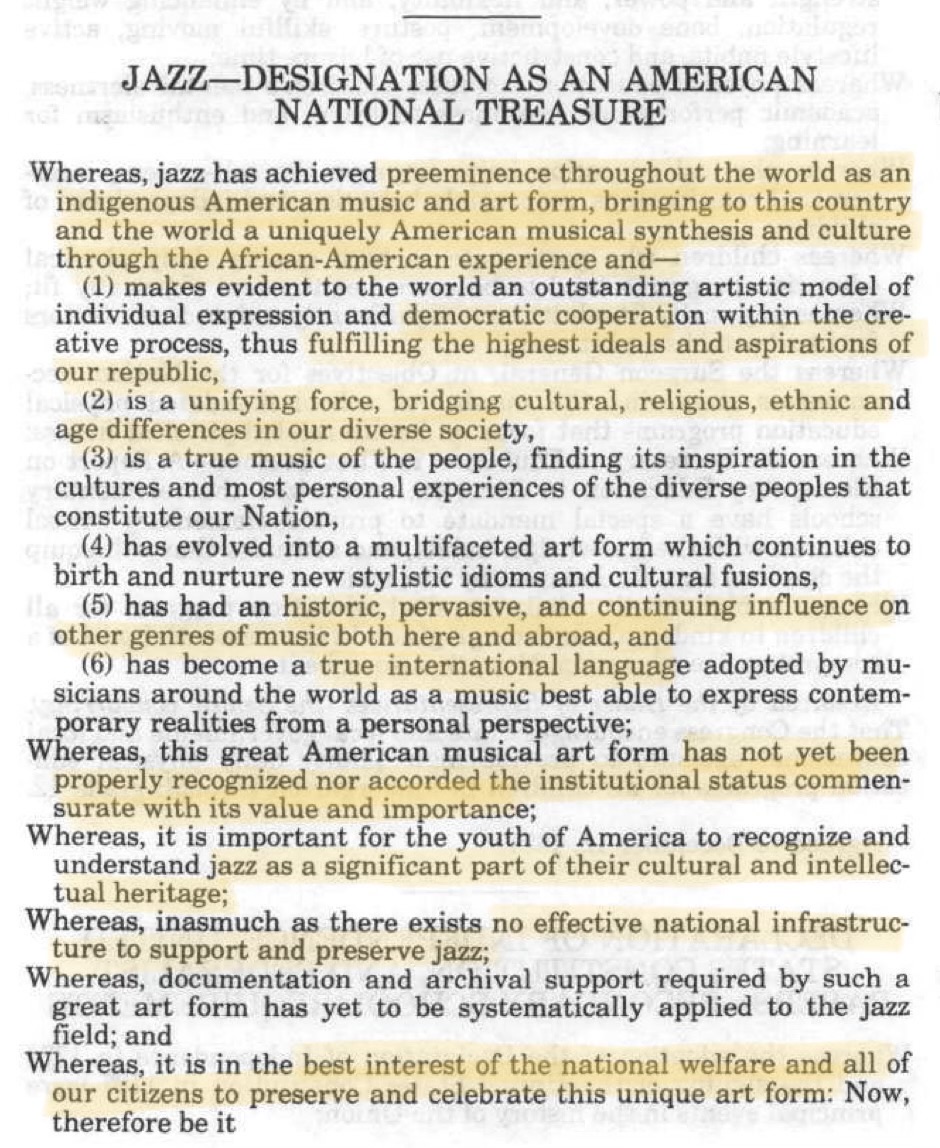
Jazz - Designation as an American National Treasure, December 4, 1987, GovInfo
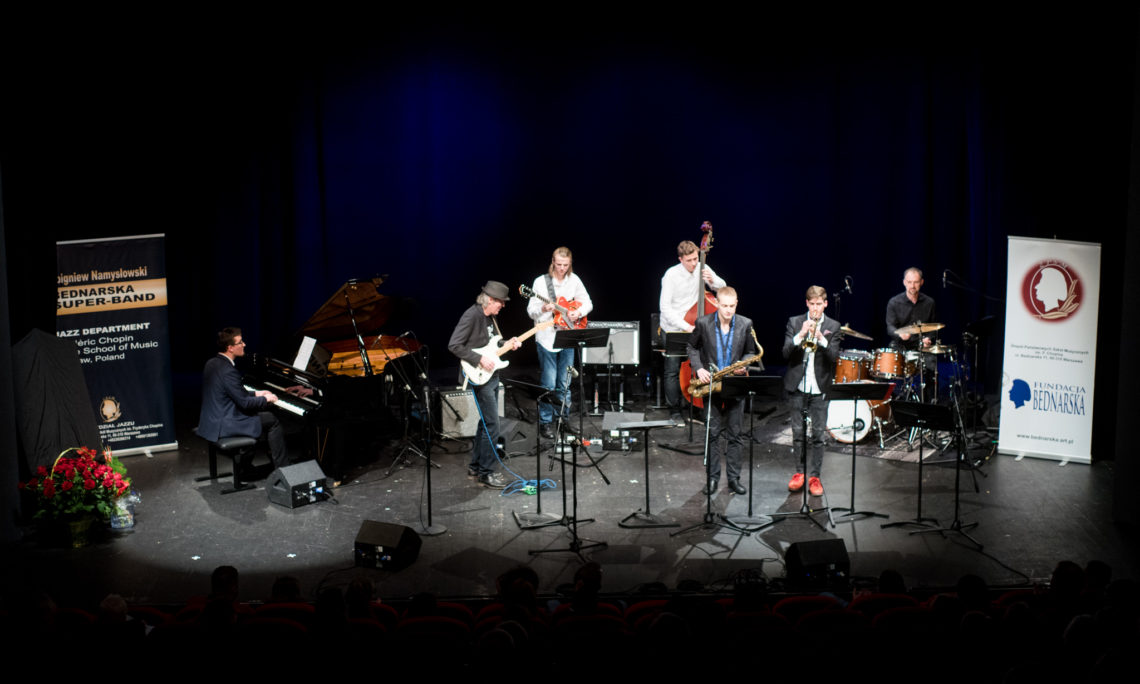
Berklee School of Music Musicians Play a Set of Music with Bednarska Jazz
Students. 2018. U.S. Embassy and Consulate in Poland